Ophthalmology
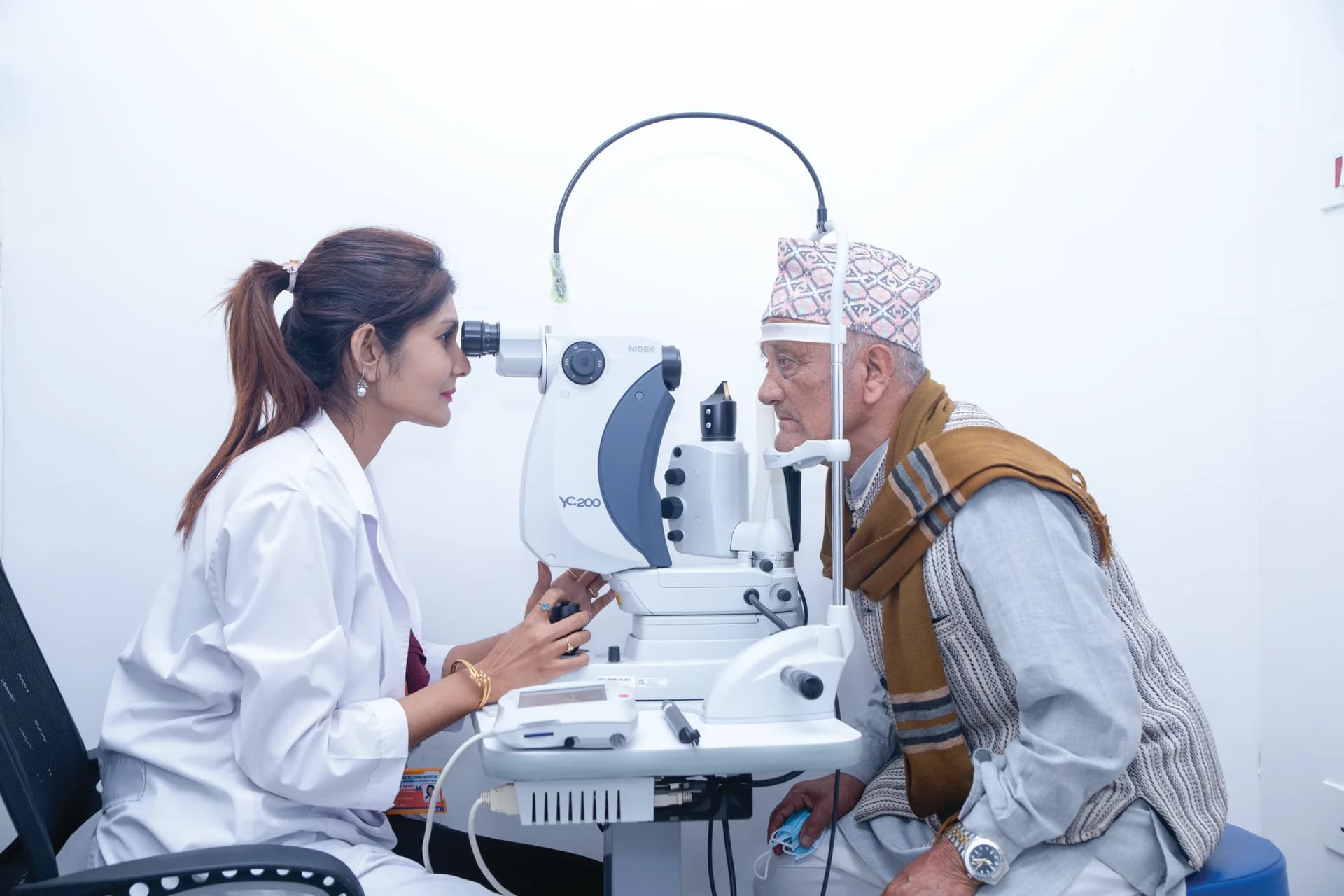
Eight specialty eye clinics, phacoemulsification cataract surgery, OCT imaging and a 24-hour emergency service for open-globe injuries.
- Services & clinics
- 14
- Specialists
- 3
- Emergency
- 24/7
Overview
Welcome to the Department of Ophthalmology at Birat Medical College Teaching Hospital. As pioneers in eye care, we are committed to preserving and enhancing your vision through state-of-the-art treatments and compassionate care. Our mission is to provide exceptional eye care services, promote eye health awareness, and contribute to advancements in ophthalmic research. Recognized for our commitment to excellence, we consistently strive for the highest standard of eye care services to our community. Equipped with the latest diagnostic and surgical technologies, we ensure precise diagnosis and optimal outcomes for our patients.
What we treat
14 common conditions- Cataract
- Childhood cataract
- Glaucoma
- Refractive errors (short and long sight, astigmatism)
- Squint (strabismus)
- Diabetic eye disease
- Retinal detachment
- Dry eye
- Conjunctivitis and eye infections
- Corneal ulcer
- Uveitis
- Eyelid and tear duct problems
- Eye injuries
- Eye tumours
Services & procedures
Our specialists
All doctors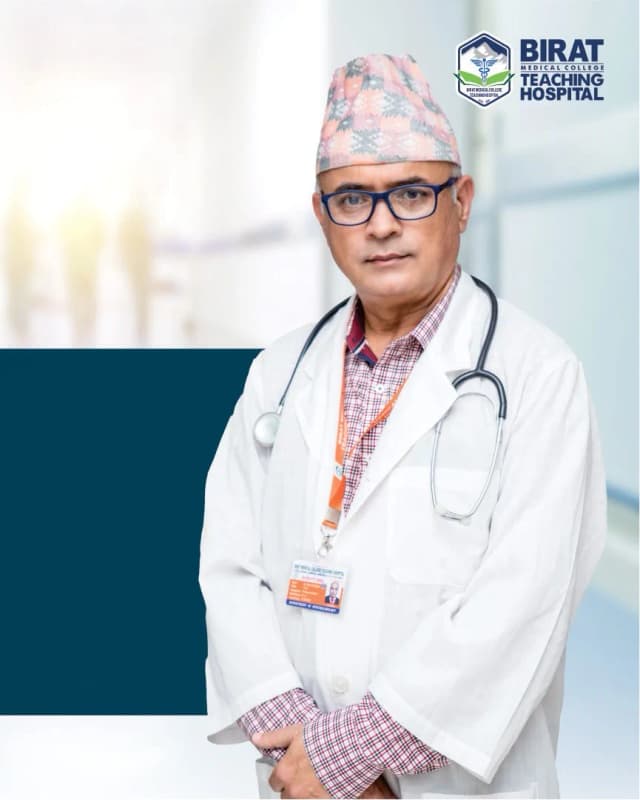

Facilities & technology
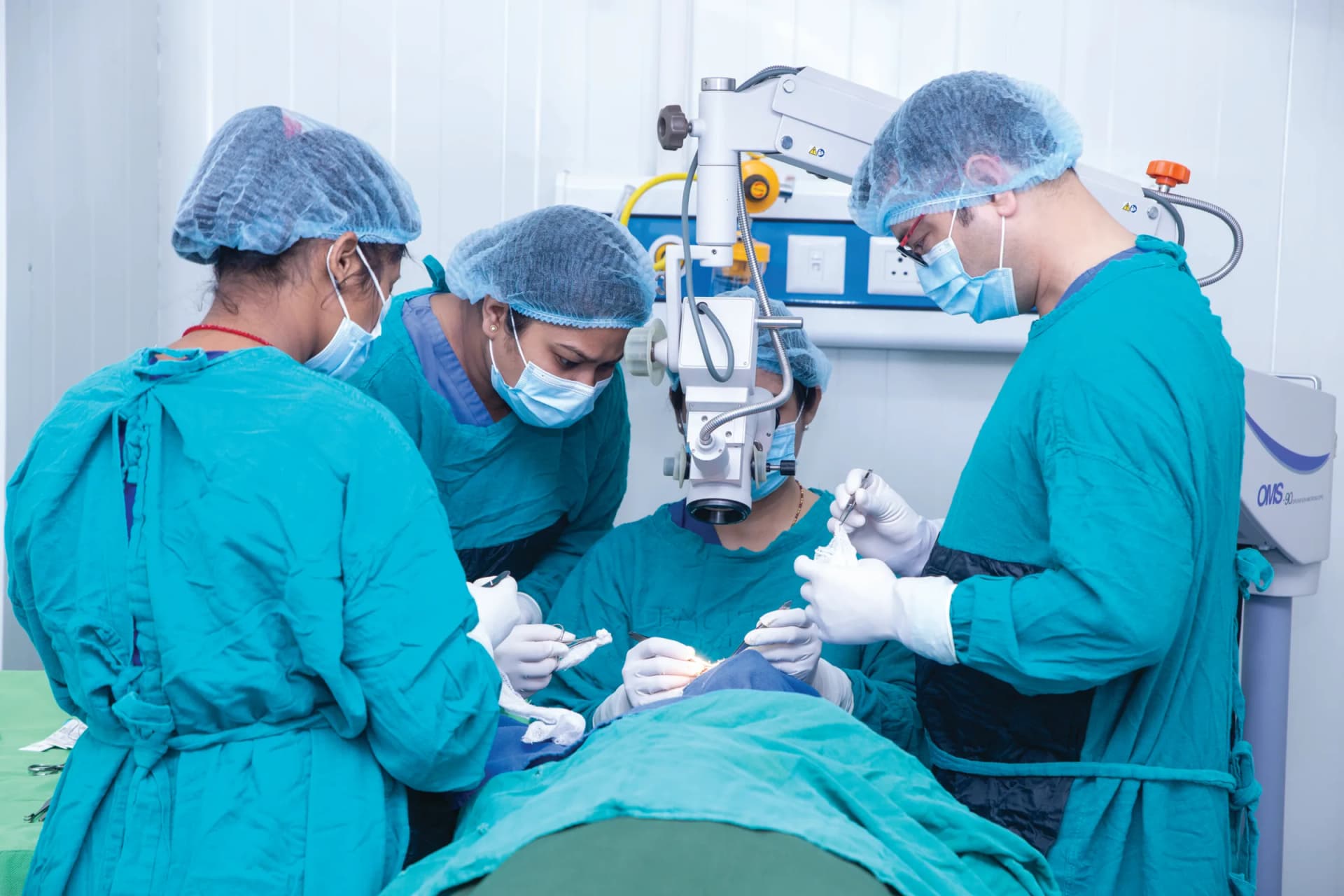
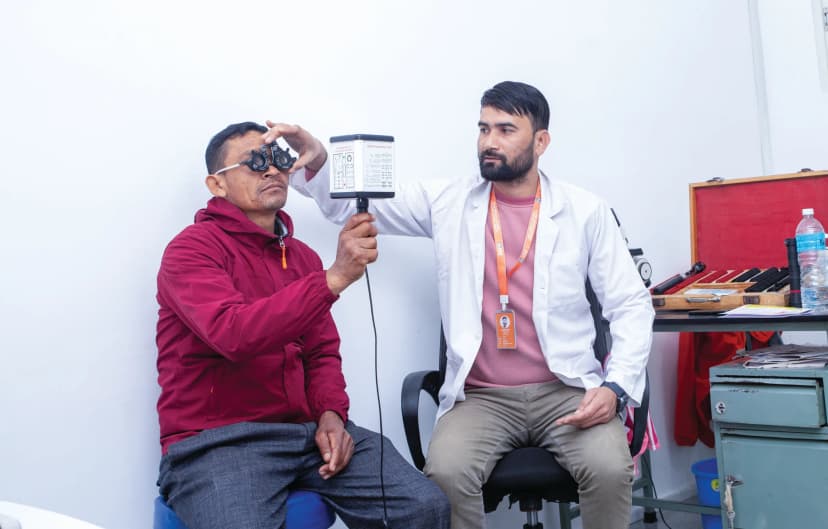
At the Department of Ophthalmology, we offer advanced facilities and cutting-edge technology to diagnose and treat a wide range of eye conditions for patients of all ages. Our expertise includes the precise surgical interventions for adult and pediatric cataract, comprehensive management of glaucoma to preserve optic nerve health, and evaluation and correction of squints (strabismus) for both children and adults. We specialize in correcting refractive errors like nearsightedness, farsightedness, and astigmatism, and provide targeted care for dry eye diseases. In specialized areas, we offer diagnosis and treatment of ophthalmic malignancies, and manage vitreoretinal diseases affecting the retina and vitreous humor. Our services also include treatments for eyelid diseases, enhancing both aesthetics and functionality, as well as the management of orbital diseases affecting the orbital region. We provide expert care for corneal and ocular surface disorders, ensuring comprehensive care through our advanced facilities and technology.
- In-house laboratory & blood bank
- 512-slice CT scanner
- 1.5 Tesla MRI
- Intensive care units
Common questions
Book an eye check if you notice blurred or cloudy vision, difficulty reading, glare or haloes around lights, frequent headaches with reading, or a squint in your child. People with diabetes, high blood pressure or a family history of glaucoma should have regular eye examinations even without symptoms.
Come to Emergency straight away for sudden loss of vision, a curtain or shadow across your sight, a sudden shower of floaters or flashes, a painful red eye with blurred vision, chemical splashes or any injury that penetrates the eye. For chemical splashes, rinse the eye with plenty of clean water on the way. Our Emergency is open 24 hours, every day.
Bring your current glasses or contact lenses, previous prescriptions and eye reports, and a list of medicines and eye drops you use. Some examinations use drops that widen the pupils and blur vision for a few hours, so it is best not to drive yourself home.
BMCTH accepts Government Health Insurance and the Social Security Fund (SSF), and cataract and other eye treatment can be covered within each scheme's rules. Bring your card and documents, and our help desk will explain what applies to you.
Our eye OPD runs Sunday to Friday, 9:00 am to 4:00 pm. Call 021-422601 or 423182 to book, or register in person at OPD. On public holidays only Emergency services are available.