General Surgery
Traditional and minimally invasive laparoscopic surgery with dedicated hernia, colorectal, breast, endocrine and trauma clinics.
- Services & clinics
- 13
- Specialists
- 5
- Emergency
- 24/7
Overview
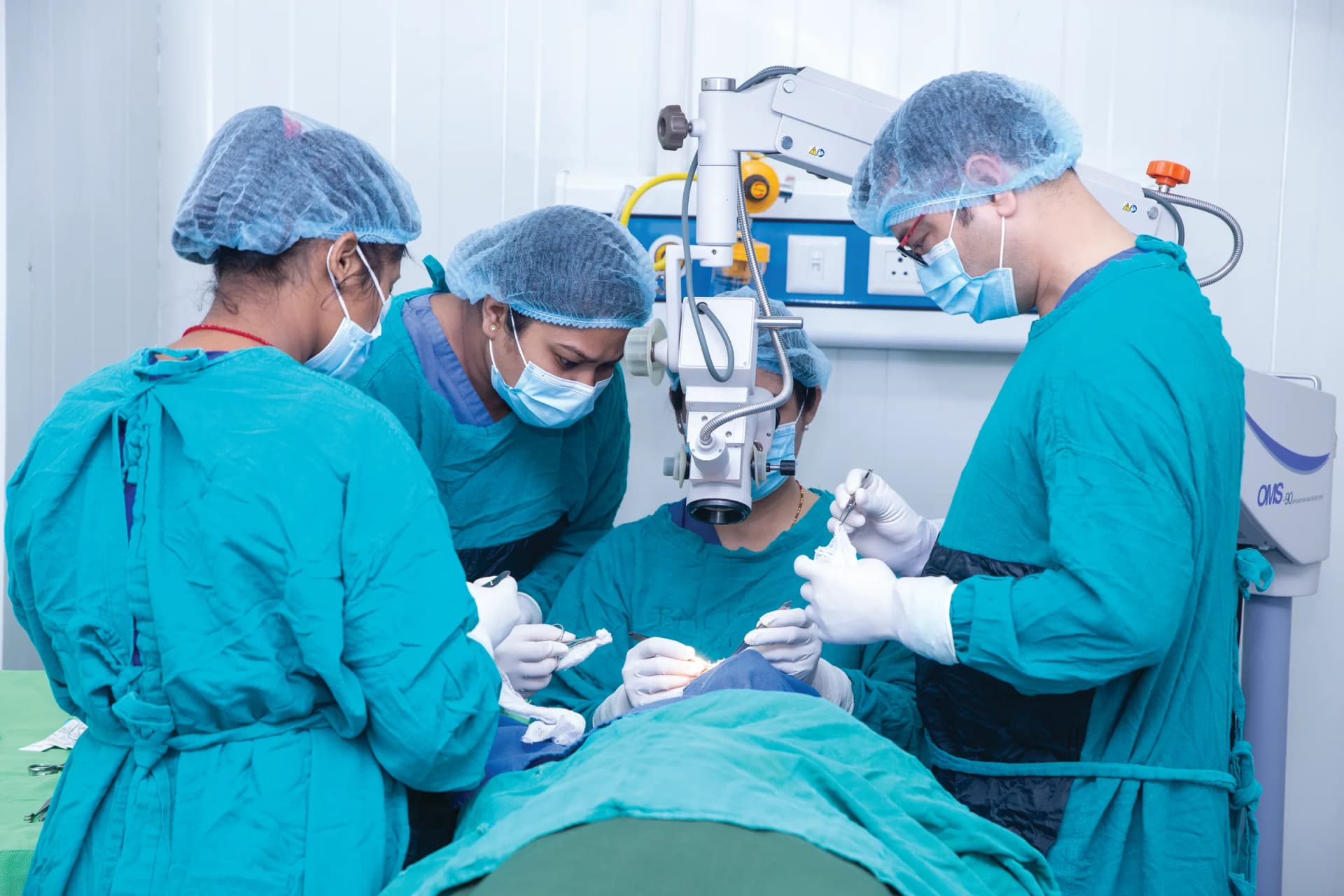
Welcome to the Department of General Surgery at Birat Medical College Teaching Hospital, a center of excellence in surgical care, specializing in both traditional and minimally invasive laparoscopic surgery. Our team is committed to providing innovative, patient-centered care, focusing on minimally invasive techniques for faster recovery and reduced discomfort. With state-of-the-art technology and a dedication to the highest standards of safety and efficacy, we strive to ensure the best outcomes for our patients across a broad spectrum of surgical needs.
Advanced care around the clock
With our state-of-the-art equipment and highly skilled surgical team, we are dedicated to delivering the highest quality of care in a safe, efficient, and patient-focused environment.
What we treat
14 common conditions- Hernia
- Gallstones
- Appendicitis
- Breast lumps
- Thyroid swellings (goitre)
- Piles (haemorrhoids)
- Anal fissure and fistula
- Pilonidal sinus
- Lumps, cysts and lipomas
- Abscesses and skin infections
- Varicose veins
- Diabetic foot
- Injuries from accidents (trauma)
- Bowel obstruction
Services & procedures
Our specialists
All doctors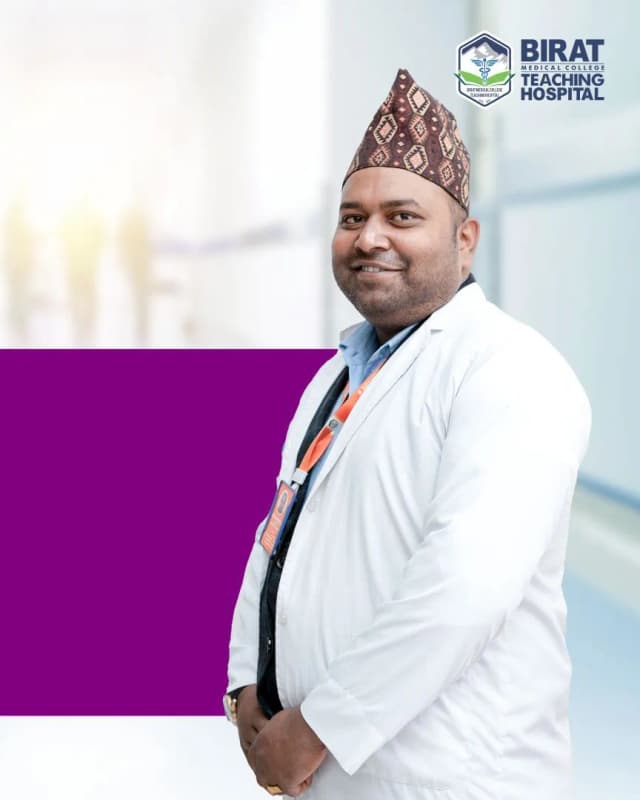
Facilities & technology
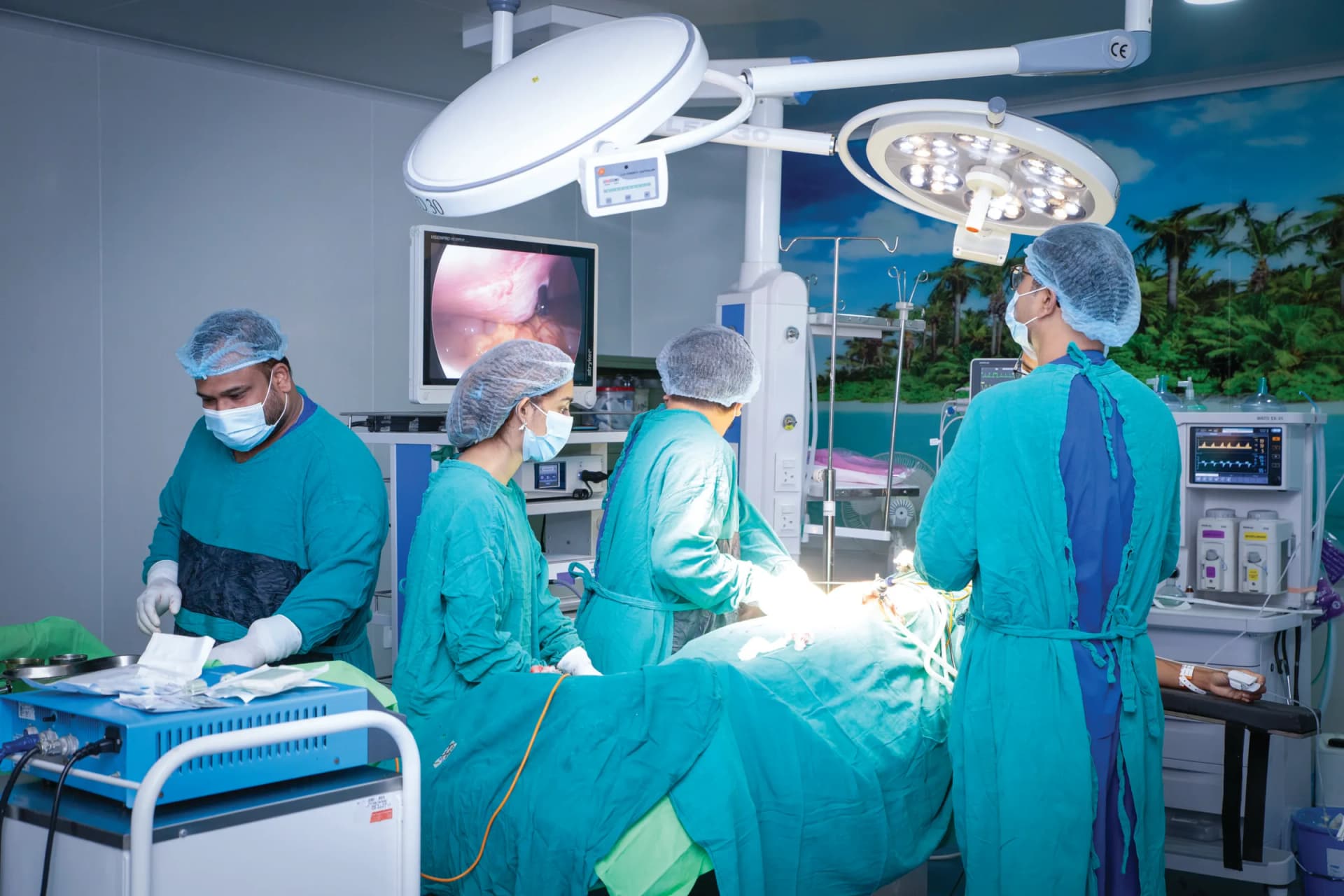
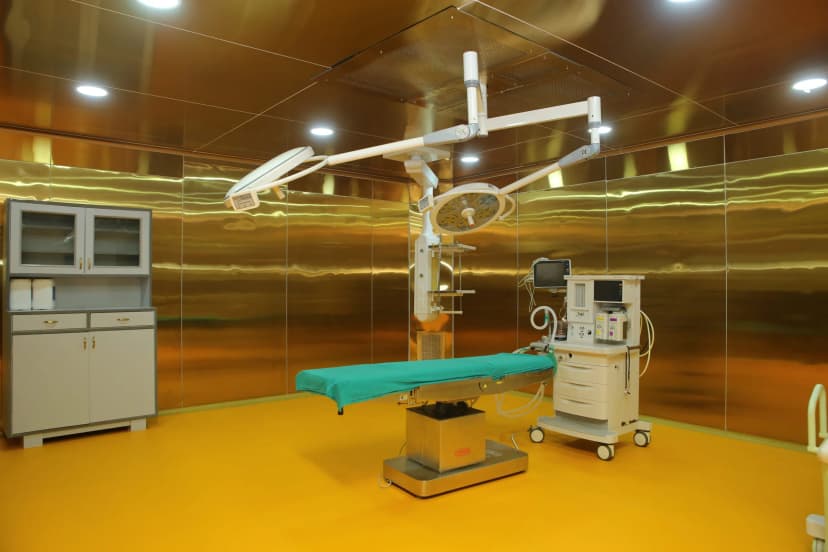
At Birat Medical College Teaching Hospital, our Department of General Surgery is equipped with cutting-edge facilities and advanced technology, designed to provide world-class surgical care. We specialize in both traditional and minimally invasive laparoscopic procedures, ensuring that our patients receive the most effective and comfortable treatment possible. Our commitment to innovation and patient-centered care drives our focus on minimally invasive techniques, which offer faster recovery times and reduced discomfort compared to conventional surgery.
- Laparoscopic procedures
Common questions
See a surgeon if you have a lump or swelling, a bulge in the groin or abdomen, recurring pain in the upper abdomen after meals, bleeding from the back passage, or a breast lump. Your doctor may also refer you after a scan shows a condition that needs an operation.